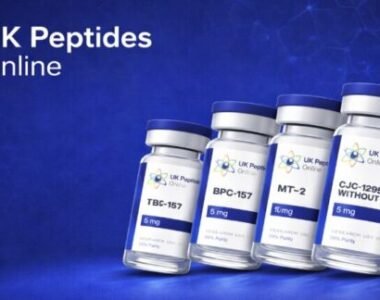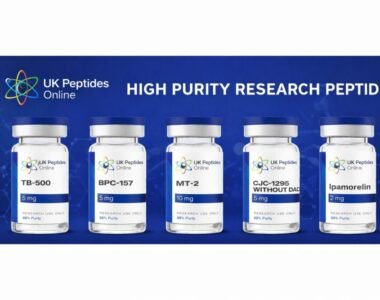
Understanding the legal status of BPC-157 in the UK is essential for anyone researching peptides or working with laboratory-grade compounds. While BPC-157 is widely discussed in scientific and wellness communities, its legal classification depends heavily on how it is defined, marketed, and used.
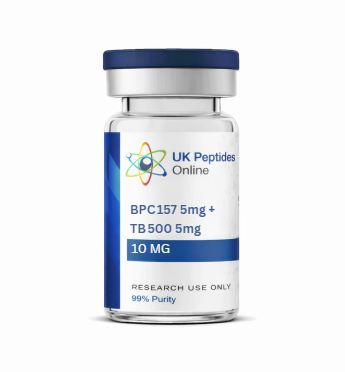
At UK Peptides Online, BPC-157 is supplied strictly for laboratory and scientific research purposes only, in line with UK regulatory frameworks.
Staff picks


What Is BPC-157?
BPC-157 (Body Protection Compound-157) is a synthetic peptide made up of 15 amino acids. It is derived from a protein naturally found in gastric tissue and is widely studied in preclinical research for its potential role in biological repair and inflammation pathways.
You can learn more about its structure here: amino acids.
In research settings, BPC-157 is commonly associated with:
- Tissue regeneration models
- Gut and digestive system studies
- Cellular repair mechanisms
- Inflammation pathway research
- Musculoskeletal recovery experiments
Is BPC-157 legal in the UK?
Short Answer: It is not a controlled drug, but it is NOT approved for human use
In the UK, BPC-157 is not listed as a controlled substance under the Misuse of Drugs Act 1971. This means it is not illegal in the same way as controlled narcotics or prescription-only medicines.
However, the legal situation is more complex.
Key regulatory reality:
- BPC-157 is not licensed as a medicine in the UK
- It is not approved by the MHRA (Medicines and Healthcare products Regulatory Agency)
- It cannot be legally sold for human consumption or medical use
- It is typically only sold for research purposes
Why BPC-157 Exists in a Legal “Grey Area”
The legal status of BPC-157 in the UK sits in a regulatory gray zone because it is
- Not a controlled drug
- Not an approved medicine
- Not a licensed supplement
This creates a situation where
- Possession is not automatically illegal
- Sale for research use is generally permitted
- Marketing for human use is not permitted without authorisation
MHRA Regulations and Peptide Sales
The MHRA regulates medicines in the UK. If a substance is intended to:
- Treat disease
- Modify body functions
- Be used for self-medication
…it is classed as a medicinal product and must be licensed.
BPC-157 does NOT have MHRA approval, meaning the following:
- It cannot legally be marketed as a treatment
- It cannot be sold for injection or consumption
- It must be labelled “for research use only.”
Recent regulatory scrutiny has increased as authorities investigate unlicensed peptide marketing practices in the UK.
Is It Legal to Buy BPC-157 in the UK?
Yes—but only under strict conditions
You can legally purchase BPC-157 in the UK when:
- It is sold as a research chemical
- It is not advertised for human use
- It is intended for laboratory or scientific study
However:
It becomes legally problematic when:
- It is marketed as a therapy
- It is sold with dosing instructions for humans
- It is used for self-administration
In those cases, it may fall under unlicensed medicinal product enforcement rules.
Importing BPC-157 into the UK
Importing BPC-157 is also a grey area:
- It is not explicitly banned
- Customs may still detain or question shipments
- Intent of use matters legally
Authorities typically assess whether the substance is:
- For legitimate research
- Or intended for human consumption
Is It Legal to Use BPC-157?
This is where UK law becomes stricter.
While possession may not be directly illegal, using BPC-157 for
- Self-medication
- Performance enhancement
- Injury treatment
…can fall outside legal and regulatory compliance, because it involves using an unlicensed medicinal product.
Sports and Anti-Doping Rules
It is also important to note:
- BPC-157 is banned under WADA (World Anti-Doping Agency) regulations
- Athletes can face bans if it is detected in testing
- It is classified as a prohibited experimental peptide
Why Researchers Still Study BPC-157
Despite regulatory restrictions, BPC-157 remains widely researched in laboratory environments due to its observed effects in preclinical studies involving:
- Tissue repair pathways
- Angiogenesis (blood vessel formation)
- Gut protection models
- Inflammation response systems
However, it is important to emphasize the following:
- Human clinical evidence is limited
- It is not an approved therapeutic drug
- Most data comes from animal or lab studies
UK Peptides Online Research Compliance
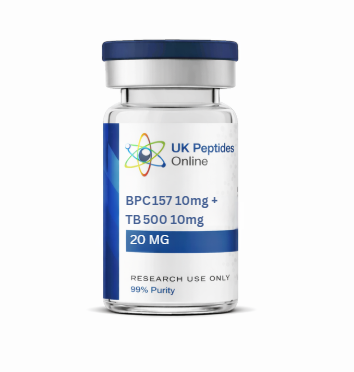
At UK Peptides Online, BPC-157 is provided strictly for:
- Laboratory research
- Scientific investigation
- In vitro and preclinical studies
You can explore related research compounds here:
Conclusion
So, is BPC-157 legal in the UK?
The most accurate answer is:
- It is not a controlled substance
- It is not an approved medicine
- It is legal to sell for research purposes only
- It is not legal to market or use as a human treatment
This makes it a research-only compound with strict regulatory boundaries, and its legal status depends entirely on how it is sold and used.
As regulatory scrutiny continues to increase, compliance with UK research-only guidelines remains essential for both suppliers and researchers.
Disclaimer: All products are strictly for laboratory and research purposes only. Not for human consumption, diagnosis, or medical treatment.