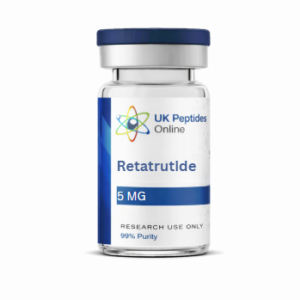
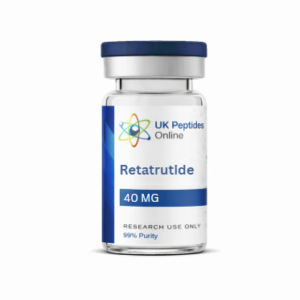
Retatrutide 60mg × 10 vials
$300.00
In stock
Retatrutide 50mg peptide × 10 vials for intensive metabolic research.
Buy Retatrutide (LY3437943), a synthetic peptide triple agonist (GLP-1, GIP, and glucagon) with 99.45% purity. HPLC/MS verified. For research use only.
Retatrutide UK Peptides (60mg × 10 Vials): Complete Guide, Benefits, Usage & Research Insights
The Retatrutide UK peptides (60mg × 10 vials) format is one of the most talked-about compounds in modern metabolic research. As a triple receptor agonist under investigation, Retatrutide is widely studied for its potential role in appetite regulation, glucose metabolism, and energy balance in preclinical and clinical research environments.
At UK Peptides Online, Retatrutide is supplied strictly for laboratory and scientific research purposes only.
What Is Retatrutide?
Retatrutide is an investigational peptide that targets three major metabolic pathways:
- GLP-1 (Glucagon-like peptide-1)
- GIP (Glucose-dependent insulinotropic polypeptide)
- Glucagon receptors
This triple-agonist mechanism is what differentiates Retatrutide from older single or dual receptor compounds and has made it a major focus in obesity and metabolic research.
In laboratory settings, it is studied for its influence on:
- Appetite regulation pathways
- Glucose metabolism control
- Fat oxidation processes
- Energy expenditure systems
Understanding Retatrutide 60mg × 10 Vials
The Retatrutide 60mg × 10 vials format is commonly used in extended or structured research protocols.
Product Format:
- 10 individual vials
- 60mg per vial
- Lyophilised (freeze-dried) peptide
- Designed for multi-dose research applications
This configuration is typically used in:
- Long-duration metabolic studies
- Dose-response research models
- Comparative obesity research
- Preclinical pharmacology experiments
How Retatrutide Works (Research Mechanism)
Retatrutide is studied for its interaction with multiple metabolic receptors involved in energy regulation.
1. Appetite Regulation Research
Research focuses on how Retatrutide may:
- Reduce hunger signalling
- Increase satiety responses
- Influence brain-gut communication pathways
2. Glucose and Insulin Research
Through GLP-1 and GIP receptor activity, studies examine:
- Improved insulin sensitivity
- Blood glucose stabilisation
- Metabolic homeostasis regulation
3. Energy Expenditure and Fat Metabolism
Glucagon receptor activation is associated with:
- Increased energy expenditure
- Enhanced fat oxidation pathways
- Metabolic rate modulation in experimental models
Key Research Benefits of Retatrutide UK Peptides
1. Advanced Weight Management Research
Retatrutide is widely studied in:
- Obesity research models
- Appetite suppression studies
- Energy balance experiments
2. Metabolic Health Research
Key areas of investigation include:
- Glucose regulation systems
- Insulin response pathways
- Metabolic syndrome models
3. Triple-Action Mechanism Advantage
Compared to traditional compounds, Retatrutide is researched for:
- Multi-receptor activation
- Broader metabolic effects
- Enhanced integrated energy regulation
4. Fat Metabolism and Energy Balance Studies
Research explores:
- Lipid breakdown pathways
- Caloric intake regulation
- Energy utilisation mechanisms
Retatrutide Dosage (Research Use Only)
Retatrutide is supplied as a lyophilised peptide powder intended strictly for laboratory research.
Reconstitution (Research Practice)
In controlled environments, it is typically reconstituted using sterile bacteriostatic water depending on study design requirements.
Research Dosage Context
Experimental protocols may vary based on:
- Model type (cellular or animal)
- Study duration
- Target metabolic pathway
- Concentration requirements
⚠️ These values are research references only and not medical or human dosing guidance.
Storage and Handling
To maintain peptide stability:
- Store lyophilised vials in a cool, dry place
- Refrigerate after reconstitution (2–8°C)
- Avoid heat, moisture, and direct sunlight
- Do not freeze after mixing
- Always use sterile laboratory handling techniques
Possible Observations in Research Models
In laboratory studies, researchers may observe:
- Changes in appetite-related behaviours
- Variations in metabolic rate markers
- Dose-dependent glucose responses
- Gastrointestinal tolerance differences
All outcomes depend on controlled experimental design.
Retatrutide vs Traditional GLP-1 Compounds (Research Comparison)
| Feature | Retatrutide | Traditional GLP-1 Agonists |
|---|---|---|
| Mechanism | Triple agonist | Single/dual agonist |
| Appetite control | Strong | Moderate–strong |
| Fat metabolism | High | Moderate |
| Metabolic coverage | Broad | Limited |
| Research interest | Very high | Established |
This comparison explains why Retatrutide is gaining rapid attention in metabolic science.
Who Uses Retatrutide in Research?
Retatrutide is commonly studied by:
- Metabolic research laboratories
- Endocrinology research teams
- Pharmaceutical development groups
- Obesity and diabetes research institutions
- Biotechnology research companies
Buy Retatrutide UK (60mg × 10 Vials)
When researchers buy Retatrutide UK peptides, consistency and purity are essential for reliable outcomes.
At UK Peptides Online, researchers typically prioritise:
- Verified batch testing and purity
- Secure UK-based shipping
- Sterile, sealed packaging
- Consistent lyophilised formulation
- Reliable research supply standards
You can explore related research products here:
Storage & Handling Tips
- Keep away from direct sunlight
- Use sterile equipment during preparation
- Avoid contamination at all stages
- Follow laboratory safety protocols
- Observe stability and expiry guidelines
Conclusion
The Retatrutide UK peptides (60mg × 10 vials) format represents one of the most advanced areas of metabolic research today. Its triple-receptor mechanism makes it a key compound in studies involving appetite regulation, glucose control, and energy metabolism.
As research continues to evolve, Retatrutide remains a leading focus in next-generation metabolic science.
Disclaimer: All products are strictly for laboratory and research purposes only. Not for human consumption, diagnosis, or medical treatment.